

This one decision was key to building two $200M+ businesses.
Most people building businesses get this all wrong.
Like choosing whom to marry, this one decision affects much of your future success and happiness.
The decision is…
Pricing.
Get it right, and getting customers profitably is easy.
Get it wrong, and you’ll work your butt off for 1/10th the sales, profits, and wealth. A poor pricing strategy is like running with a 30-pound weight dragging behind you.
Here’s how to price anything you sell the right way to make the most money possible long-term.
The art and science of pricing
How much would you pay for an unlabeled one-ounce gold coin?
You’d start by looking up the current market price for an ounce of gold—around $5,000—and you’d pay that or less.
What if I told you the great Roman Emperor and Stoic philosopher Marcus Aurelius carried this gold coin with him? When he wrote in his diary, he rubbed this coin for inspiration and as a reminder of both the permanence and impermanence of life’s treasures.
How much would you pay now?
Something more.
Pricing is an art and a science. You price anything like you would a barrel of oil and a Picasso.
Price higher, sell more?
On a standard supply and demand graph, as price rises, quantity falls.
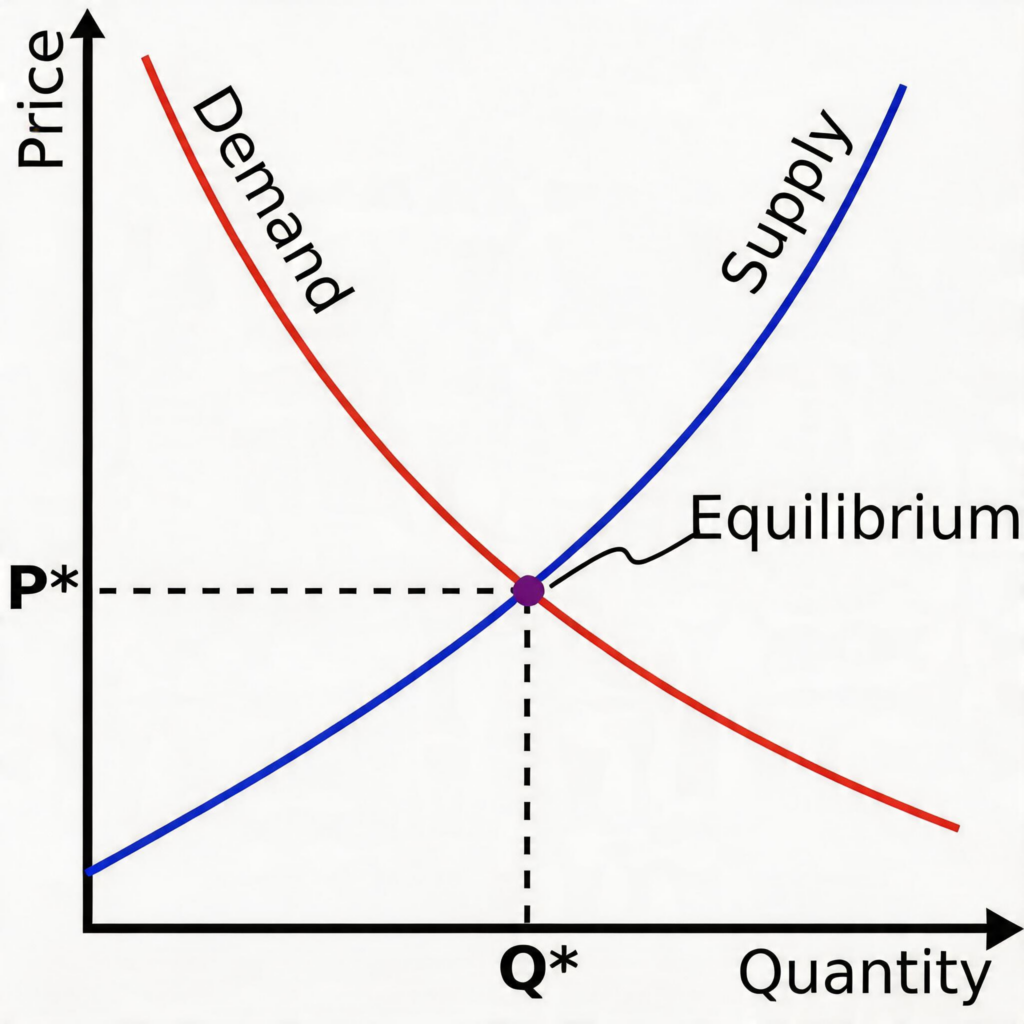
Yet that chart is only partially true.
In some cases, raising prices increases demand. That’s partially why Hermes sells 100,000 Birkin bags per year at prices in the tens of thousands and even hundreds of thousands of dollars each, while no-name brands struggle to sell a few thousand $100 purses with equal carrying capacity.
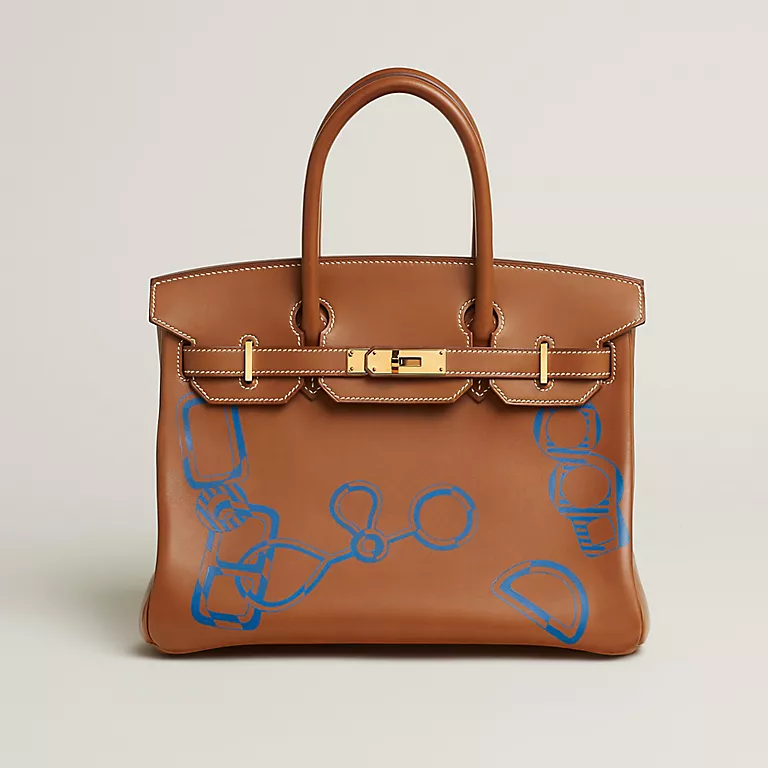
At certain price points, you can make far more profit by raising prices because the number of units you sell stays the same or even increases.
Three pricing strategies
To price well, first decide which of the three main strategies you wish to employ.
Do not get lost between two strategies that appeal to no one.
Discount
Kirkland Signature, Costco’s private-label brand, generates $90 billion in annual sales. It’s one of the world’s largest consumer brands. Kirkland Signature is larger than Nike, Pepsi, and all of Procter & Gamble’s brands combined.
It offers everything from toilet paper to bottled water to chicken to gasoline to $20 jeans.
Kirkland Signature is a discount brand.
With the discount pricing strategy, you sell as cheaply as possible at the quality level you offer.
What you lose in profit per unit, you make up in total profits across a large number of units sold.
Premium
Consumers associate price with quality.
With premium pricing, you use price as a product strategy and a quality signal.
By selling at a higher price, you can invest more to create a better product.
For our premium coffee brand, we source the top 1% of coffee beans worldwide. Those beans cost us much more, and we charge a premium for the higher quality.
You can also reinvest the higher profits you earn per unit into marketing.
Nike paid Michael Jordan $275 million last year. That expense didn’t improve Nike’s products, but it reinforced its brand as the leader in athletic wear.
Luxury
With luxury brands, buyers use price as a signal to others that they are special.
You don’t buy a $50K Patek Philippe to tell the time. You buy it to signal to others your importance.
With luxury brands, you price your products so high that your pricing is part of the brand.
You must protect your brand at all costs. Every detail matters.
Limiting supply—like Birkin bags, Porsche 911 Turbo S’s, and Rolex Submariners—is a key strategy to maintain luxury-level pricing.
And profits can be enormous.
Don’t get caught in the middle
Choose a pricing strategy—discount, premium, or luxury—don’t get caught in between.
Here are three successful car companies that each employ strong pricing strategies:
- Discount – Toyota: Sells over 11 million cars per year at prices as low as $22,000.
- Premium – Mercedes: Sells around 2 million cars per year at prices between $40K to $90K+.
- Luxury – Ferrari: Sells fewer than 14,000 cars per year at prices as high as $500,000. Ferrari’s annual profits last year were $2 billion, or $140K per car.
Ford, however, is caught between discount and premium pricing. It sold 2.2 million cars last year but lost $8 billion. Ford blamed its losses on “high costs and competitive pressures”.
The best pricing strategy for most businesses
Building a discount brand requires relentless focus on reducing costs.
Building a luxury brand requires relentless focus on protecting the image.
The best option for most entrepreneurs is to build a premium brand.
How to find the ideal premium price
- Look at your market and identify which brands are selling a lot of units at the high end.
- Price your product 20-50% above that.
- Launch with a “new customer special” and temporarily reduce pricing to build your customer base.
- Over time, increase your price to your target level.
Limit discounting. Frequent discounting diminishes a premium brand. Use it sparingly.
How to maintain premium positioning
- Continually reinvest in marketing to reinforce your brand’s premium positioning.
- Continually improve your product. Like rabbits, you must continually get faster as foxes get faster; you too must improve your product every year if you wish to stay ahead of your business’s predators.
- Incrementally raise prices by 5-10% each year. In 1972, Warren Buffett acquired See’s Candies. Over the next decade, it sold only 16% more pounds of chocolate, yet Buffett grew its profits by 500% by incrementally raising prices each year.
Choose your pricing strategy well. Understand what it means. Use it as fuel to accelerate your business.
—Matt